The First-Time Buyer’s Guide to Starter Homes in Medford
Starter homes in Medford can be a practical first step into South Jersey homeownership when buyers focus on total monthly costs, property condition, and a realistic timeline. The strongest choice is usually the home that fits your budget beyond the purchase price, including taxes, insurance, maintenance, and any association fees.
Medford Starter Home Market Overview
- Entry-level options in Medford Township commonly include older single-family homes, townhomes, and select condominium-style properties.
- Days on market can vary sharply by condition, price point, and whether a home needs immediate updates.
- Well-priced starter homes with functional layouts and manageable maintenance needs can draw meaningful buyer attention, especially since only about 7.2% of Medford residents moved within the past year, which keeps turnover low.
- Available inventory often differs between lower-maintenance townhome communities and detached homes with private outdoor space.
What the Medford First-Time Buyer Market Looks Like Right Now
Medford first-time buyers benefit most from comparing homes by complete ownership cost rather than list price alone. Starter-home choices can include established properties near Medford Village, townhome communities, and detached homes in residential areas where condition and maintenance needs vary from one property to another.
Medford is largely an owner-occupied community, with 88.2% of occupied homes owned rather than rented during 2020 to 2024, and the median value of owner-occupied homes was $514,800 over that period. That means entry-level homes are a smaller slice of the market, and a home with a lower asking price may require more near-term work, while a townhome may have recurring association costs that affect the monthly payment. Browsing homes currently for sale in Medford can help buyers compare property types, locations, and visible condition details as they refine their priorities.
Is Medford Accessible for First-Time Home Buyers Today?
- Medford can be accessible for first-time buyers who establish a complete monthly budget before touring homes.
- Single-family starter homes may offer more storage, parking, and private outdoor space, though they can require more direct upkeep.
- Townhomes may reduce some exterior responsibilities, but buyers should account for association fees, rules, and community financial documents.
- Buyers starting a search today should stay flexible on cosmetic preferences while protecting their budget for condition, taxes, insurance, and recurring ownership costs.
Step 1: Smart Financial Planning for First-Time Buyers
A realistic starter-home budget in Medford begins with a comfortable monthly payment, not simply the highest purchase price a lender may approve. First-time buyers should estimate principal and interest, property taxes, homeowners insurance, utilities, routine maintenance savings, mortgage insurance when applicable, and homeowners association fees for properties that have them.
Down payment planning can look different from one buyer to the next. FHA financing may allow a down payment as low as 3.5% for qualified borrowers, and some conventional loan programs allow as little as 3% down for qualified first-time buyers. Many buyers still choose a larger down payment to lower the monthly payment or avoid mortgage insurance, while others keep the down payment smaller to preserve cash for closing costs, moving expenses, initial repairs, and emergency reserves.
Property taxes deserve close attention in Medford because two similarly priced homes may have different tax bills based on assessed value. Medford Township's 2025 general tax rate was 3.754 per $100 of assessed value, and the average residential tax bill was $12,400. Homeowners insurance can also change based on the home's age, construction, coverage level, deductible, and claims history. For townhomes and condominiums, association fees may cover services such as landscaping, snow removal, exterior maintenance, master insurance, or amenities.
New Jersey first-time buyers may also be eligible for state assistance. The New Jersey Housing and Mortgage Finance Agency's Down Payment Assistance Program offers up to $15,000 toward down payment and closing costs, depending on the county, as an interest-free second loan that is forgiven after five years. Eligible first-generation buyers may qualify for an additional $7,000. The assistance must be paired with an approved agency first mortgage, and income, purchase-price, and eligibility limits apply, so buyers should confirm current details with a participating lender before including assistance in a final budget.
An affordability calculator can help compare payment scenarios before narrowing the search to a specific price range.
Estimated Monthly Cost for Starter Homes in Medford
Monthly ownership costs vary by the property's financing terms, tax bill, insurance requirements, condition, and association obligations. For context, the Census Bureau reported that median monthly owner costs for Medford homes with a mortgage were $3,184 during 2020 to 2024, a figure that includes the mortgage, taxes, insurance, and utilities across all owned homes, not just starter properties. Median gross rent was $1,589 over the same period, a useful comparison for renters weighing the move to ownership.
Compare each starter home using the same all-in budget so that a lower list price does not hide higher recurring expenses.
Step 2: Securing Pre-Approval and Exploring First-Time Buyer Programs
Pre-approval helps first-time buyers establish a credible price range before they begin making offers on starter homes in Medford. A lender generally reviews income, employment, assets, debts, credit history, and available funds for the purchase. Buyers should organize recent pay stubs, bank statements, identification, tax records when requested, and documentation for gift funds or other deposits.
Conventional, FHA, and VA financing serve different borrower situations. Conventional loans may offer flexibility for buyers with stronger credit profiles. FHA loans can be useful for buyers seeking a lower initial down payment with more flexible credit standards. VA loans may provide eligible service members and veterans with another financing path. A lender can explain how each option affects upfront cash, monthly payments, mortgage insurance, and property requirements.
Pre-approval also gives sellers more confidence that a buyer has completed early financing steps. Keep finances stable after receiving pre-approval by avoiding new debt, major purchases, unexplained deposits, or employment changes before closing. A mortgage calculator can help buyers compare how purchase price, down payment, and estimated taxes affect monthly comfort.
Step 3: Top Neighborhoods and Communities for Starter Homes in Medford
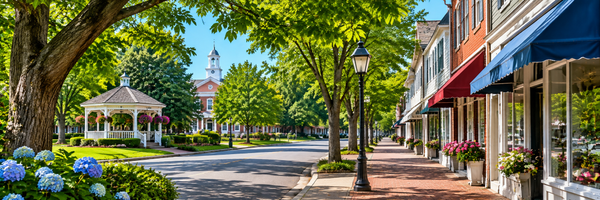
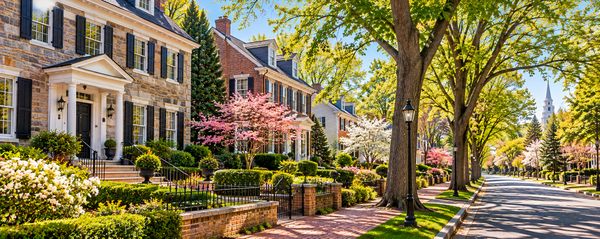
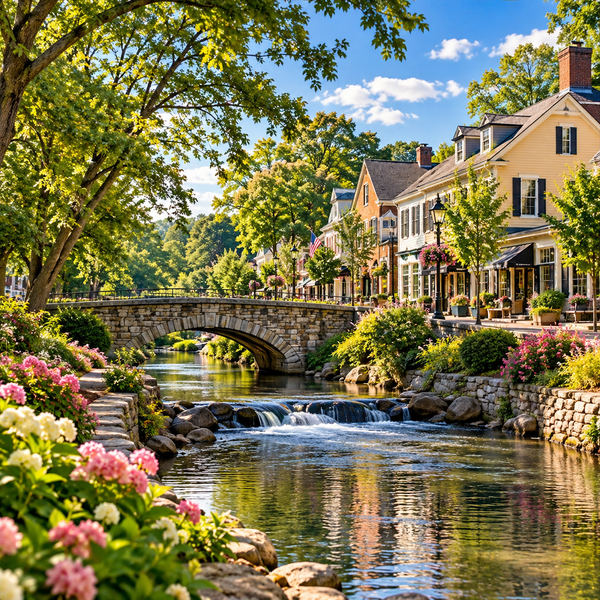
Medford offers several starter-home settings, each with a different balance of maintenance, space, and convenience. Homes near Medford Village can appeal to buyers who value access to local shops, dining, and community activity. These established homes may offer character and mature landscaping, though buyers should pay close attention to age-related maintenance needs.
Townhome communities such as Taunton Trace can suit young professionals, remote workers, and buyers who prefer less exterior upkeep. Association documents are especially important in these communities because fees, rules, reserve planning, and maintenance responsibilities can affect both monthly costs and long-term ownership experience.
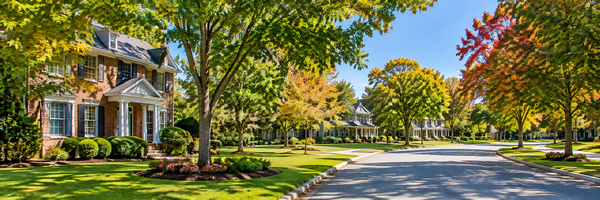
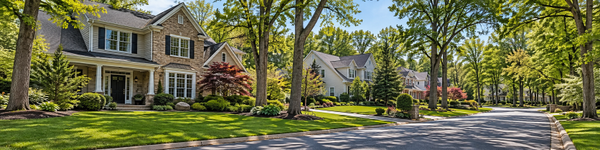
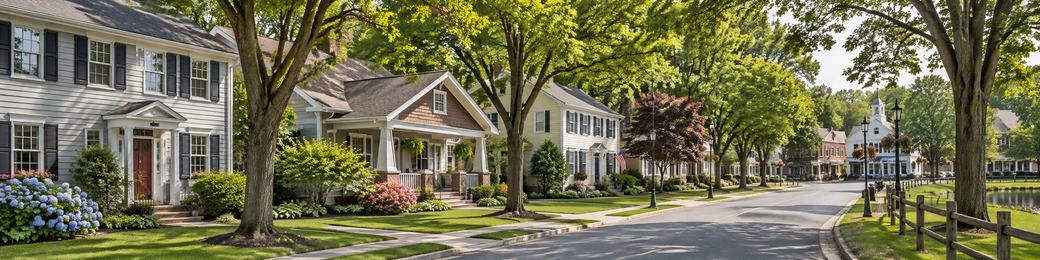
Established single-family areas may work well for buyers who want private yard space, additional storage, off-street parking, or room for future lifestyle changes. Detached homes can offer more independence, but they also place more responsibility for roofs, drainage, landscaping, heating and cooling equipment, and exterior repairs directly on the owner.
The best Medford community is the one that aligns with your commute, maintenance tolerance, preferred home style, and monthly budget. For a broader look at schools, commute times, and daily life in the township, this Medford relocation overview covers the practical details.
Step 4: Evaluating Starter Properties for Long-Term Value
- Prioritize structural condition and major systems before cosmetic finishes such as paint colors, flooring, or fixtures.
- Review the visible condition of the roof, heating and cooling equipment, plumbing, electrical panel, windows, drainage, and exterior surfaces.
- Consider whether the layout supports daily life, including parking, laundry, storage, remote work, and possible household changes.
- Look for resale-friendly features such as functional bedroom counts, usable living space, manageable upkeep, and outdoor areas that fit the property type.
- In older Medford homes, separate a manageable update list from repairs that could place pressure on your first-year budget.
Step 5: Crafting a Winning Offer on Your First Home
A competitive Medford offer combines a price you can support with terms that are realistic for your financing and timeline. Sellers may consider earnest money, financing strength, appraisal and inspection contingencies, requested concessions, closing dates, and the buyer's overall readiness to complete the transaction.
Earnest money demonstrates commitment under the purchase contract. Appraisal and inspection contingencies help define how buyers may respond if the lender's value review or property findings raise issues. Seller concessions can sometimes help with eligible closing expenses when they fit lender guidelines and contract terms.
A clear offer strategy does not mean giving up protections without understanding the risk. First-time buyers should discuss their financing terms, property concerns, and timing priorities before deciding which terms are appropriate for a particular home.
The most common mistake is making an offer based on emotion before confirming the complete monthly cost. Avoid it by reviewing taxes, insurance, association fees, financing terms, and likely repair needs before finalizing an offer.
Step 6: Home Inspections, Appraisal, and Closing Day in Medford
The period after an accepted offer gives buyers time to understand the property, financing, and title details before settlement. In New Jersey, the contract first goes through a three-business-day attorney review period. A general inspection can then identify visible concerns involving major systems and structural components. Depending on the property, buyers may also consider sewer-line, roof, pest, or other specialized evaluations.
The appraisal supports the lender's review of value for financing purposes. If the appraisal result does not support the contract price, the buyer, seller, and lender may need to evaluate available options under the contract. Title work is also completed to identify ownership and lien matters before the transfer.
Closing costs vary based on loan type, lender charges, title services, prepaid items, insurance, and negotiated credits. Buyers should review their final Closing Disclosure carefully and ask questions about any charge they do not understand.
Starter Townhomes vs. Single-Family Starter Homes in Medford
Townhomes can suit buyers who want reduced exterior responsibilities, while single-family homes may better fit buyers seeking private space and more direct control over the property.
| Factor | Starter Townhome | Single-Family Starter Home |
|---|---|---|
| Exterior maintenance responsibility | May be shared through an association | Usually handled directly by the owner |
| HOA fee expectations | Common in many communities | Less common, though possible in lake or planned communities |
| Private yard space | Often limited or shared | Usually more private |
| Resale demand | Can appeal to lower-maintenance buyers and downsizers | Can appeal to buyers seeking flexibility and space |
| Financing considerations | Review association documents and lender requirements | Review condition, taxes, and maintenance |
| Long-term value drivers | Location, condition, and community management | Location, condition, and improvements |
Ready to Start Your Medford Home Search?
The Sam Lepore Group is an 11-person South Jersey team affiliated with Keller Williams Realty, led by Sam Lepore (NJ License ID 0791411). The team walks first-time buyers through each step, from building an all-in budget and comparing townhomes with detached homes to reviewing association documents and structuring an offer that protects them. No question is too basic, and yes, Eagles talk is welcome during showings.
Call or text (856) 297-6827, email snlepore@yahoo.com, or learn more on the About Us page to start planning your first Medford home purchase.
Frequently Asked Questions: Buying a Starter Home in Medford
What is the average price of a starter home in Medford?
Starter-home pricing in Medford varies by property type, condition, taxes, location, and association costs. Instead of relying on one average, compare homes using the full monthly payment and anticipated maintenance needs. For broader context, the median value of owner-occupied homes in Medford was $514,800 during 2020 to 2024, and entry-level homes typically fall below that benchmark.
How much down payment do first-time buyers need for a home in Medford?
Qualified FHA buyers may be able to use a 3.5% down payment, and some conventional programs allow 3% down for qualified first-time buyers. The right amount depends on loan terms, monthly affordability, available savings, mortgage insurance, and the need to retain cash reserves.
Are there first-time homebuyer assistance programs available in Medford?
Yes. New Jersey's statewide Down Payment Assistance Program offers up to $15,000, depending on the county, as a forgivable loan toward down payment and closing costs, with an additional $7,000 available for eligible first-generation buyers. Income, purchase-price, lender, and eligibility requirements apply, so confirm current details with a participating lender.
Should first-time buyers in Medford buy a townhome or a single-family house?
A townhome may be a better fit when lower exterior maintenance matters most, while a single-family home may suit buyers who value private outdoor space and more control over repairs. Compare association fees, maintenance duties, taxes, and your expected ownership timeline before deciding.
How long should I plan to stay in a starter home before upgrading?
Plan to stay long enough for the home to support both your financial goals and daily lifestyle needs. Your timeline should account for career plans, household changes, transaction costs, and whether the property can adapt as priorities evolve. If you use state down payment assistance, the five-year forgiveness period is another factor to weigh.
Categories
Recent Posts